
Many fellow vaginismus sisters around the world are told that their experience of painful sex would go away with one seemingly magical surgical procedure to remove their hymen – a hymenectomy.
This surgery is advertised as simple, with a quick recovery time (though you may experience light bleeding or spotting as you heal) and minimal discomfort.
You too might be looking for a ‘quick fix’ and ‘magic pill’, so of course this approach seems very enticing!
But is it actually a miracle?
Or can such an invasive procedure worsen the symptoms and bring about additional trauma?

Let’s take a closer look at the hymen and its myths, discuss what a hymenectomy is as well as experiences from women in our community.. And cover just about the only case scenario in which you may want to consider such a surgery.
So what is the hymen?
The hymen is a thin piece of tissue in a woman’s body that forms during development and is present at birth.
It covers the vaginal opening, which during sex usually gets broken (hence why the term ‘popping your cherry’ has become popular when talking about people’s first time)

But what is it for, I hear you ask?
Currently, in the scientific world, the hymen has yet to be found to serve a purpose in the body or reproductive system. Unlike other organs or tissues with a clear job, no one knows for sure what the hymen does. However, some think it might have something to do with keeping bacteria or foreign objects out of your vagina.
When it comes to this small piece of tissue, there are many myths and misconceptions surrounding it, from its role in sex to its ability to grow back. So let’s take a look at some of the biggest myths surrounding the hymen, some of which are also beautifully explained in this TED Talk about ‘The Virginity Fraud’!
The Relationship Between the Hymen and the Vaginal Vestibule
Many of you may be familiar with your vaginal vestibule, experiencing muscle contractions and stinging pain in the area when your vaginismus flares up.
But do you know what it is and how it can be connected to your hymen?
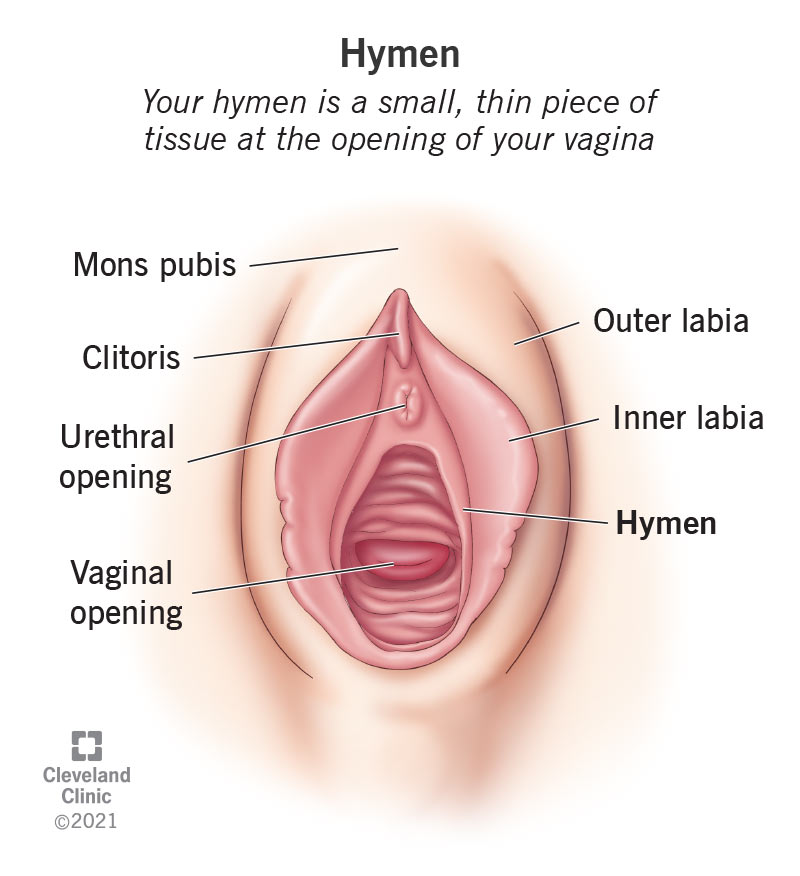
For those not quite sure where this part of the vulva is, the vaginal vestibule is typically referred to as the smooth, triangular area that includes the urethral and vaginal opening, the Bartholin’s glands, Skene’s glands, and minor vestibular glands located just between the labia minora.
The hymen is located right at the vaginal opening, just inside.
However, although in the majority of cases the hymen is thin, stretchy, and may have even broken easily outside of sex because of how thin it is, for some vaginismus sisters, this doesn’t happen.
There are certain conditions that can make stretching or breaking the hymen harder, literally creating a physical barrier in the vaginal opening alongside the muscle contractions.
This can make your vaginismus journey even more difficult.
What Do We REALLY Know About The Hymen?
Let’s explore some myths and get clear on the reality of the situation.
Myth 1: The hymen breaks during first-time penetrative sex
Fact: The hymen usually doesn’t tear or break all at once. Like many other tissues, it is elastic and stretches over time – in other words, it wears down gradually!
Let’s begin with understanding that the ‘breaking’ of a hymen isn’t really breaking. The term comes from a long history of men determining how our bodies work, and the glory of popping one’s cherry, or a way to annul a marriage because a woman didn’t bleed in the marital bed.

Hymens are a thin, flexible piece of tissue in the vaginal opening that thins, stretches, and gently rips over time.
The truth is that naturally, most women simply don’t yet have the skills to relax their pelvic floor muscles completely the first time they have penetrative sex.
Especially if penetration is completely new and they haven’t explored with fingers, tampons or sex toys before, this can lead to more tightness and potentially bleeding! That’s even more likely to be the case if arousal is overlooked and foreplay is rushed before hand (or there is none whatsoever).
Although penetrative sex is still one of the most common ways to ‘break’ your hymen, some of the other main ways include inserting a tampon, rigorous sports such as horse riding, gymnastics, and bike riding, and even falling or accidents, and going to the gynaecologist for a pelvic exam.
Even strenuous daily activity can stretch the hymen until it tears!
AND you may not notice its stretching and eventual tearing at all.
Myth 2: Bleeding and pain during your first time is because of the hymen breaking.
Fact: The reason why there’s a history of women bleeding their first time is that it happened too fast. Women didn’t have a lot of say/understanding in what happened back then, so typically the man would just go in fast and dry, hence the tearing and bleeding

One of the biggest myths surrounding sex and the hymen is that sex should hurt (especially for your first time) and that any discomfort and bleeding comes from the breaking of the hymen.
Instead, pain or blood during first-time sex is often down to nerves, which can lead to poor vaginal lubrication, coupled with the fact that you just don’t quite know what you’re doing yet.

However, in many societies, this myth is still very much believed, leading many to feel shamed if they don’t bleed or their hymen has broken naturally for other reasons than sex.
The myth that sex should or could hurt has probably contributed to many vaginismus stories over the years, with people developing vaginismus from fear and anxiety connected to their first time
Myth 3: The presence or absence of a hymen can be used to determine if a girl or woman has ever had sexual intercourse.
Fact: The hymen is not a Pringles freshness seal for your virginity. It’s literally just a ring of tissue that gets stretched and sometimes gets ripped a little during vaginal penetration.
And that’s not even always the case – doctors have examined hymens of middle-aged prostitutes and found them perfectly intact!

Other than that, the hymen can tear for many reasons, including hormonal changes, fitness or vigorous activities like horse riding, gymnastics, and or cycling, and even inserting a tampon. A lack of a hymen is not indicative of having had sex.
The hymen is a symbol of virginity and “purity” in some cultures and can be a big deal in the Middle Eastern, some African, East Asian and other cultures.
But really, the connection to virginity is a made-up concept – the hymen is just a teeny-tiny piece of skin in the vaginal opening that doesn’t have to carry the weight of this virginity concept.
You have to admit that there is something empowering about breaking this myth around virginity!

As someone currently experiencing vaginismus, having the opportunity to decide that ‘going all the way’ can include (or stop at) just having non-penetrative sex, can give you back some power surrounding your ‘sexual debut’ as Shelby from Tightly Wound describes your first time.
It can give you the chance to explore sex outside of penetration, allowing you to take your time and not rush into penetrative sex in order to feel like you are on the same level sexually as your peers.
Myth 4: If I don’t have sex for a while, the hymen will grow back
Fact: The hymen cannot grow back naturally, no matter how long it may have been between sexual partners, but for aesthetic reasons, many have started having hymenoplasty to have it surgically reattached.

Why Won’t My Hymen Break? What is a Microperforated Hymen?
In certain instances, there may be a valid medical reason why your hymen won’t stretch enough to allow for comfortable penetration, which can lead to pain during sex, discomfort when inserting a tampon, and even hinder your ability to use a dilator.
A microperforated hymen is one where the hymen covers the entirety of the opening to the vagina rather than a small portion of it.
This can cause discomfort and pain during sex as the hymen’s excess tissue repeatedly tears during intercourse or the inability to insert a tampon (yes, just like vaginismus), and lead to issues with menstruation, such as longer or shorter periods or UTIs.
Other types of rare hymens that could lead to it being kept intact include:
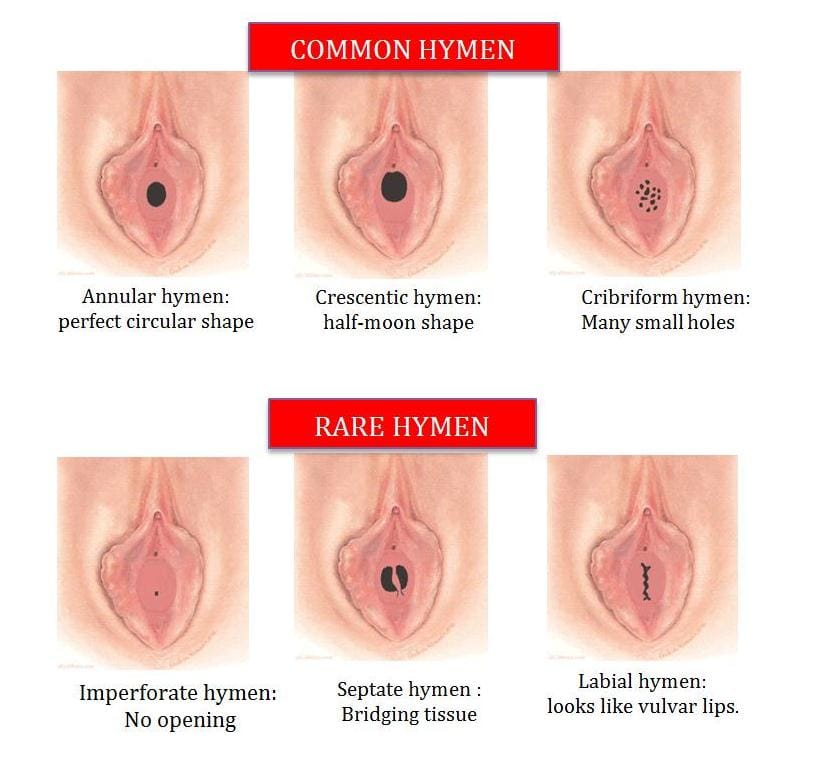
- If you have an imperforated hymen, a rare condition where the hymen blocks the opening to your vagina.
- Cribriform hymen, where the hymen develops with multiple small holes instead of a large one, making it hard to tear and causing issues with painful sex, menstruation, and an inability to insert a tampon (sound familiar?).
Although using dilators in combination with the appropriate nervous system reset, emotional processing, and erotic exploration journey can be an effective way to get the body used to penetration, being able to use dilators could get trickier if you still have an intact hymen.
This is where vaginal surgery, such as a hymenectomy, may be offered as a truly valuable part of the treatment.
But is there a way to avoid it?
And does it cause more harm than good in the long term?
How Can Vaginal Surgery Help With Vaginismus? What is a Hymenectomy?
Over the past few years, to help those going through their vaginismus journey while having an intact hymen, vaginal surgery has become a go-to option for many.
“My doctor says I need to remove my hymen because that’s the reason I’m having so much pain”
When it comes to the hymen and vaginismus, being able to have surgery to remove it may make it easier to help you relax and stop worrying about the pain of having it ‘torn.’
Like with helping those who have hymen abnormalities, having a hymenectomy is becoming recommended as a partial treatment for overcoming vaginismus and helping you work up to penetration. Allowing you to ‘break’ your hymen and use dilators.
For those who are unsure about getting such an invasive surgery (especially if you have also been diagnosed with vaginismus), then a less intense way to treat a microperforated hymen is through the use of dilators, where you gently insert them and work through the sizes to help the body prepare for penetration and gradually dilate the hymen.
“I was looking at myself and was wondering if it was maybe my hymen that is causing me pain to insert anything, and if you have any tips on how to treat a still intact hymen?”
However, a common myth is that using a dilator could lead to rupturing or tearing the hymen, whereas this may not be true. As well as this, the fear of pain many have around inserting anything to ‘tear’ the hymen may also lead to people developing vaginismus, or exacerbate the symptoms if they have it already.
Can a Gynecologist Cut the Hymen?
Yes, a gynecologist can cut the hymen and may recommend the surgery for those with abnormal hymens or with pelvic issues that make sex or inserting a tampon extremely painful.

As you may have noticed, many of these symptoms are very familiar to anyone who has experienced vaginismus.
When it comes to having a hymenotomy, the surgery is usually done under local anesthetic or sedation, and a gynecologist or surgeon will cut away the abnormal tissue, “breaking” the hymen for you.
How Painful is Hymen Removal Surgery?
When it comes to the initial surgery, a hymenectomy is performed under local anesthetic, so there should be no pain or discomfort in the initial surgery.
However, like with any surgery, especially in areas as intimate as your vulva and vaginal channel, you may find that once you have had hymen surgery, you experience a bit of pain or mild discomfort afterward.
It is, however, important to understand that while there may be no initial pain, many of our vaginismus sisters who have told their story of having a hymenectomy have recalled that the surgery caused more harm than good.
The pain and muscle contractions become worse afterward, making many feel like they have had to pause or take steps back on their journey to overcome their vaginismus symptoms.
Will Having My Hymen Removed Help My Vaginismus?
A question that has been asked recently by a fellow vaginismus sister is “how did you get around the hymen issue too?” with regards to dilation and having an intact hymen.
For many, this has led to a conversation around vaginismus, hymen surgery, and whether it should be offered as a solution for those looking for support with their vaginismus journey.
“But what about my hymen? My doctor says I need to remove my hymen because that’s the reason I’m having so much pain.”
With dilation playing a central role in many of our sisters’ journeys to penetration, it makes sense to understand if having a hymen will be a hindrance.
For those who are still new to their journey to use a dilator, it needs to be able to go past your hymen. Having an intact hymen can make it harder, as the dilators will stretch it rather than rupture it; it doesn’t mean it is impossible.
So, should being offered hymen surgery be a red flag when talking to health professionals about vaginismus support?
Truthfully, it depends.
For many, they find that they have underlying issues around their hymen, such as an imperforate hymen or microperforated hymen, and surgery could help alleviate some of the pain and allow them to use dilators.
Still, I would recommend that when discussing your vaginismus journey with your doctor, you pay attention to how quickly they are to recommend surgery over other forms of recovery. If this is a go-to option per the doctor’s professional opinion, without getting curious about the details or your case, it could signal they’re looking to book more surgeries rather than find the most helpful approach for you.
A red flag indeed!

For most vaginismus sisters that I’ve spoken to who have gone the surgery route, this has been a disappointing step (and potentially unnecessary).
For some, it deepened the Cycle of Pain and caused a huge step back in their vaginismus journey.
The surgery itself and the recovery period only sent them further down the slippery slope as they tried to heal not just from having the hymen removed but from the experience of invasion and subsequent pain that followed.
Even if they didn’t feel pain under anesthesia, the body registered it!
The Cycle of Pain can be deepened in different ways, from surgery to the constant use of numbing creams during dilator use. It can cause people to believe the contractions aren’t happening and ‘push through’, prolonging the fight. This can mean that when you finally decide to use dilators or try penetrative sex without it, you may find that the resistance and pain are worse. The best way to learn to relax through your vaginismus is to learn your body’s natural reactions.
Because of this, it is important to recognize the risk that having a hymenectomy is massive and may make overcoming vaginismus even harder, as you’re now trying to reverse the damage as well as the surgery on top of reconciling your experiences that led to vaginismus in the first place.
For others, though, as was the case in the story of this fellow vaginismus sister, a hymen surgery was a clear step in the right direction. But note that she had an imperforate hymen, and that is not the case for most women who are recommended for surgery!
To Wrap Up…
There is no one-size-fits-all solution for vaginismus treatment.
Before you decide to have surgery (and only if you have an imperforate hymen), it’s probably best that you exhaust all other options. You want to avoid exacerbating your symptoms and lengthening your journey to your sexual liberation!
Along with treating the physical side of vaginismus and getting the body ready for vaginal penetration (both of which are still recommended after surgery, by the way), you also need to focus on the mental.
Whether you choose meditation, sexual therapy, or a mixture of both, nourishing your mental health and tapping into your sexual desires and sensuality is key to understanding and working through your mental triggers and deepening your connection with your vulva.
No matter what treatment you choose, keep connecting with your body.
– Katrin, with Love
– Katrin, with Love