
When it comes to vulvar health and intimate care, let’s be honest, it can be tricky to know if you’re doing the right thing.
With social media influencers, feminine hygiene products, and the world of feminine health often selling you misleading information or opposing ‘facts’, it can be hard to know if and when to clean and whether you’re cleaning your vulva (and in some cases vagina) too much, not enough, or just right – like a weird retelling of Goldilocks and the three bears!
Add in the experience of vaginismus and you may be tempted to throw your hands up in a ‘rebellious’ act of doing nothing and let life run its course.
Vaginas, who needs them, right?
As we all know, vaginismus can be painful enough without the worry of itchy skin, irritations, smells, or other medical issues such as Bacterial Vaginosis (BV), yeast infections or Urinary Tract Infections (UTI). Vaginismus may be caused by long-term discomfort and pain in the area in the first place!
And when you’re dealing with these symptoms on top of the Great Wall Of Vagina, life gets a whole lot more complicated. Your plan of action and treatment sequence can be extra tricky! How do you navigate this concoction of symptoms?

In my experience, it’s crucial to make your overall vaginal health your first priority and tackle vaginismus in tandem, or as step two.
So let’s discuss what overall vaginal health refers to, why care about yours, and perhaps what ‘less than healthy’ looks (or rather smells) like.
Is It Vaginismus Or Is It Something Else?
When it comes to overactive pelvic floor muscles and pelvic pain, as a fellow vaginismus sister, you’re no stranger to all sorts of uncomfortable symptoms.
It cannot be denied that discomfort like dryness, irritation, inflammation, itchiness, unusual odours, you name it, can have a significant impact on your experience of vaginismus.
After all, each layer of discomfort you feel adds yet another good reason to the list of why your body decided to brace and be in ‘protection mode’!
But is every issue you face caused by vaginismus?
No.
There is an overlap with certain symptoms like dryness, irritation, and inflammation, which can lead to additional discomfort or stinging pain similar to that of vaginismus.. But there are so many potential root causes for these symptoms, with the four main drivers of vulvar pain being hormonal, muscular, inflammatory, and nerve-related.
It is quite a complicated landscape to navigate, especially when you add vulvodynia and other more nuanced vulvar pain like vulvar vestibulitis (VVS, now more accurately termed provoked vestibulodynia), which is essentially a form of vulvodynia localized to the vulvar vestibule.

Today we’re discussing just the more ‘standard’ vaginal challenges, though, like Bacterial Vaginosis, yeast infections, and UTIs!
And just in case you’re curious..
Though they can add to the very same Cycle of Pain that is innate to vaginismus (yes, discomfort in the pelvic area from just about anything adds a memory of your vulva and/or vagina being associated with pain), they are unlikely to be the sole cause of vaginismus or be caused by vaginismus itself.
So let’s first differentiate Bacterial Vaginosis, yeast infections, and UTIs by exploring their main symptoms.
- Bacterial Vaginosis: Abnormal discharge (usually a thin, watery, and milky-white or grayish discharge), strong fishy smell, and, in some cases, burning or itching pain around the vaginal opening. The fishy smell often becomes more pronounced after sexual intercourse (due to the alkaline nature of semen reacting with the discharge) or during menstrual periods.
- Yeast infection: Abnormal discharge (usually thick, white, cottage-cheese-like),sweet beer-like or bread-like smell, burning or pain around the vaginal opening, irritation, and red swelling or cracking of skin around the area, and intense itchiness.
- UTI: Pain or burning when peeing, urinary changes such as too much or too little, changes in urine appearance or smell, as well as high fevers, chills, and generally feeling unwell.
Have you experienced any of the above? Were you able to tell which ones at the time, or perhaps you have some newfound clarity now?
And whether or not you’ve had personal experiences with such uncomfortable challenges, how can you prepare for them (or better yet prevent them!) and why get educated on the topic in the first place?
Why Care About Your Vaginal Health?
Aside from the very physical discomfort, strong smells, unwanted discharge, and/or vaginal dryness will naturally have you feeling less than sexy on any given day.
If you want to enjoy solo sex or intimacy with a partner, these symptoms may completely wipe your excitement, confidence, and desire, and may leave you hanging out ‘in your head’, worrying about whether your partner will be put off.
Of course, our bodies make it nearly impossible not to go through a rough time once in a while and so it’s normal!

Still, being self-conscious or embarrassed of your body for any reason is totally not what we want in your sexual liberation journey!
So let’s avoid all of those extra mental and emotional walls that only contribute to the physical wall of vaginismus.
Knowing how to care for and/or nurse these most sacred and intimate parts of you back into health can benefit you in multiple ways.
From gaining clarity on what your vulva looks like and what your vulva and vagina feel like, to honouring yourself both inside and out and therefore creating an improved relationship with your body, to maintaining your physical health and accessing your sexual aliveness in new ways with yourself and your partner.
The benefits of this type of self-care are significant and spill out into many areas of life.
So let’s explore vulvar and vaginal hygiene and, more importantly, repair and recovery routines in the cases when your vagina is craving some special care, love, and attention, shall we?
What Does Your Intimate Odour Mean?

Vulvas do sometimes smell!
Like all parts of your body, especially ones usually covered by clothes, your vulva will get sweaty or smell musty.
Depending on the phase of your menstrual cycle and therefore your vaginal discharge, if you have worked out, and whether you wore clothes that were airy or not, you won’t necessarily smell like roses by the end of the day.
Keep in mind that your personal odour is as unique as you are! Being aware of your usual smell is important!
Knowing the difference between healthy smells and stronger, unhealthy odours is also crucial for understanding your vaginal health – just as important as knowing if your discharge is appropriate for the phase of your menstrual cycle that you’re at.
Both are also strong indicators of whether or not your vaginal pH is off.
So let’s unpack what your vaginal odour may be telling you about your vaginal health. Here are the three main smells to know about:
- Slightly Tangy/Musty: This is usually your natural smell! The smell is caused by lactobacilli, which help protect your vulva from bacterial growth.
- Pungent/Fishy: This is potential evidence of an overgrowth of anaerobic bacteria (such as Gardnerella vaginalis) that replace the normal, healthy Lactobacillus bacteria. These anaerobic bacteria produce volatile amines (specifically trimethylamine) and as they multiply, cause the smell and ultimately Bacterial Vaginosis!
- Sweet Beer-like or Bread-like: When this is paired with thick, white, cottage-cheese-like discharge, it could be caused by a buildup of an overgrowth of the fungus Candida and cause a yeast infection (thrush).
So if your vagina aroma is pungent/fishy or sweet paired with discharge, there’s something to address!
What is there to do about it?
When it comes to protecting your vagina’s natural scent (and as you’ll soon find out also her natural pH balance), avoiding unmedicated intimate cleaners is crucial.

Although they may make you feel like you’re masking the smell, they can cause irritation and pH balance issues in the long run!
As I explained in this exploration of the best lubricants for vaginal health, pH is a measure of acidity and alkalinity in a water-based environment. The pH scale ranges from 0 (acidic) to 14 (alkaline), with pH 7 being neutral (neither acidic nor alkaline).
The vagina is a naturally acidic environment, fully equipped with powerful bacteria that help fend off many infections. A healthy vaginal pH level is between 3.8 and 4.6 (pH can range up to 5.5 without necessarily being unhealthy).
When your vaginal pH is outside of the healthy range though, infections are more likely to remain present or fester in the first place.
That’s where the practice of douching with a natural feminine cleanser comes in.
What Is Douching? To Douche or Not To Douche
Vaginal douching is the process of cleansing the vagina with a liquid solution.
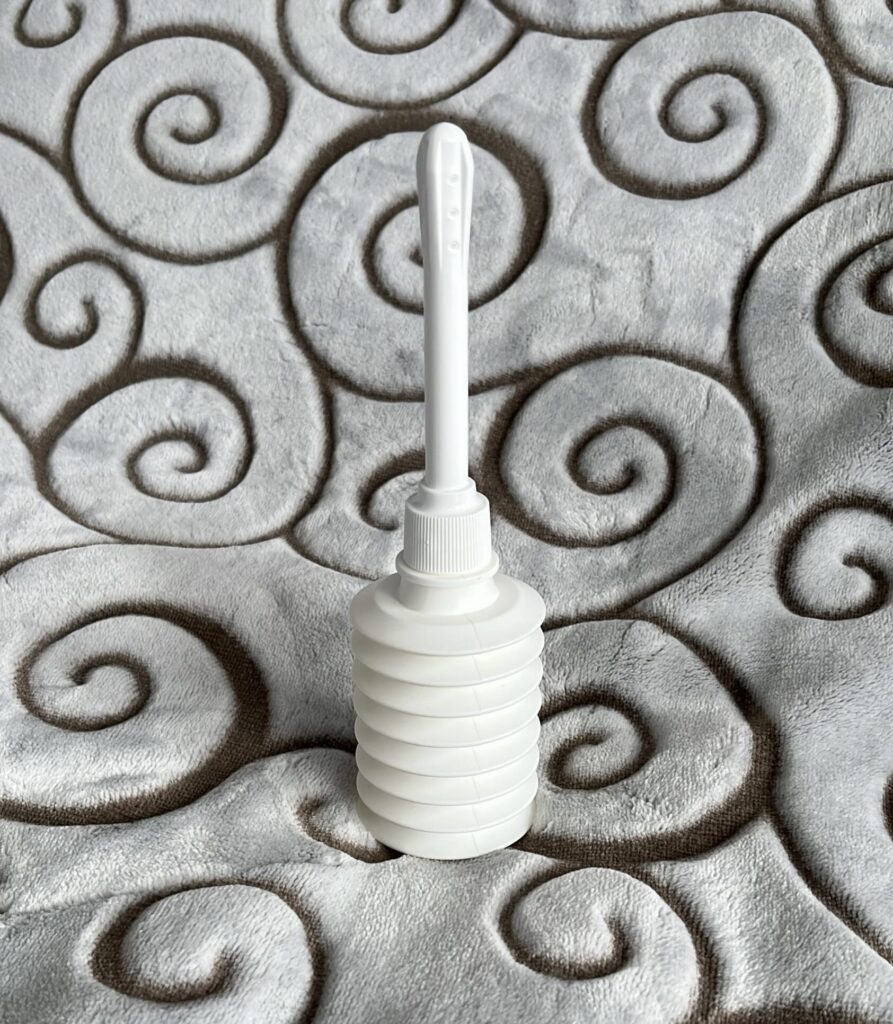
Knowing how to clean your vagina safely is crucial, so as not to cause additional problems in this very tender space.
Though vaginal douching isn’t necessary in a healthy vaginal environment (as the vagina is self-cleaning and healthy discharge is expected), engaging in this practice can be life-altering when aiming to address discomfort like itching or irritation, and odour.
It can do a great job at treating an infection, or even preventing one!
And in the cases that you choose to douche (whether it’s a necessity or simply a preference for personal reasons), it’s important to be able to use such a feminine cleanser without irritation or infection!
Choosing the right douche requires some careful consideration.
Choosing The Right Intimate Cleanser: Boric Acid Vs. Colloidal Silver
The main things to consider when choosing the right feminine wash are the ingredients.
Using fragrance-free, body-safe materials and ingredients is crucial to protecting yourself from worsening your symptoms. Knowing which ingredients are in your intimate cleanser is key!
When it came to treating vaginal health issues, boric acid was the main thing prescribed for both yeast infections and Bacterial Vaginosis for many years. It has dominated the femwash and wellness industry, being prescribed as an antibacterial suppository to treat pungent smells, vaginal irritation, itching, and BV.
However, certain side effects have come to light – specifically vaginal irritation and burning, watery vaginal discharge, hives, fever, nausea, vaginal bleeding, blood vessel disorder, and redness to the skin around the area.
It’s safe when used appropriately and in correct dosages, but boric acid has become the subject of class action lawsuits because of these concerns.

So, if boric acid is out, what should we use instead?
Enter Colloidal silver – this highly refined, ultra-pure solution, prized for its cleansing properties, contains natural, suspended particles of pure silver and has been used over the years as a natural antibacterial medicine.
It’s a natural, fragrance-free product that has been found to reduce inflammation, fungi, and bacteria, support the healing of minor irritations and inflammation, and prevent odours.
Colloidal silver is often used in topical products such as sprays and creams and in fact, my very own holistic medical professional told me about Colloidal silver years ago and recommended that I use it to treat acne scars on my face!
Because of its gentle nature and soothing properties, it can be used around the vaginal area as well without irritating the body’s natural pH balance. With ultra-small particles measuring just 0.8 nanometers and 98% bioactive silver ions, it offers exceptional bioavailability.
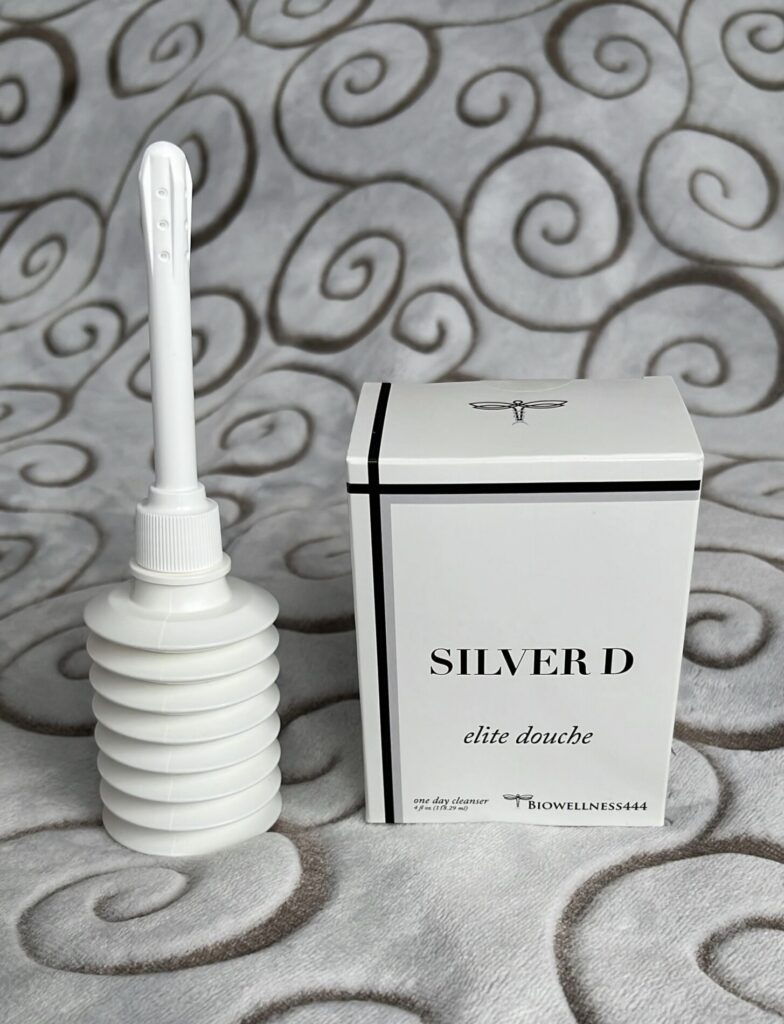
A pioneer in the use of Colloidal silver in vaginal cleansers is the team at Silver Balance.
They created an all-natural, pH-balanced douche that supports the correction of vaginal imbalances, so that you can tackle any of the itching, irritation, or odour women deal with on the regular.
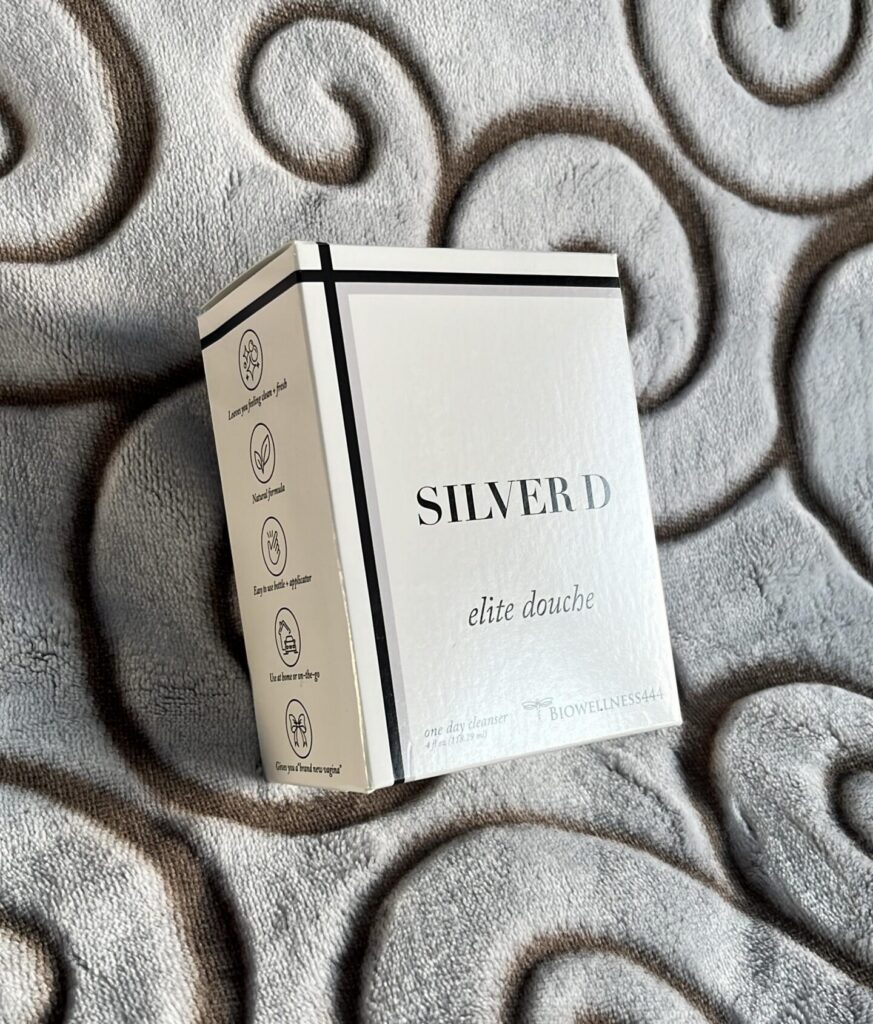
The Silver Balance Elite Feminine Cleanser is their simple, all-natural intimate care solution comprised of colloidal silver, tea tree oil, and water (only 3 ingredients!).
The woman-owned company was created in response to the realization that the current products on the market in feminine hygiene and vulvar health are not actually addressing the issues they claim to.
Other feminine wash products use ingredients such as boric acid, citric acid, benzoate, phenoxyethanol, sodium laureth sulfate, synthetic fragrances, vegetable oils, alcohol, or hydroxide.
And while these may all sound fancy, they have been found to exacerbate dryness, odours, and irritation. Not to mention the havoc they can play on your body’s pH balance!
Another thing I like about the Silver Balance Elite Feminine Cleanser is that it’s compact and lightweight and the douche that gets inserted into the vagina is quite thin.
Yes, using a douche requires shallow penetration!
The natural mix of colloidal, tea tree oil and water is already pre-mixed and ready to go. You insert the nozzle into the vaginal opening and gently squeeze the bottom so the mixture gets sprayed through the douche’s 12 spray holes and cleans the area.
Using A Feminine Cleanser As A Vaginismus Sister
Considering your potential challenges with penetration, you might be thinking – “Katrin, I’m in need of bringing my vaginal pH to a healthy range! Am I going to struggle using this douche?” The Silver Balance Elite Feminine Cleanser is around a size 3 of a typical 8-piece dilator set, making it easier to insert.
So if you can painlessly insert a size 3 dilator comfortably, you would be able to use this tool as well!
And if you’re not there yet, you can always use the very same solution and insert it with a help of a thinner lube launcher for example.
Also, keep in mind..
If you’d like to use a natural feminine cleanser in tandem with your pleasurable penetrative practice, it may be worth habit stacking and adding this douching routine to the end of your dilating session. The leftover lube (or extra lube which is always welcome of course!) could help you when inserting the nozzle.
And if you’re set to invest in yours now, I’ve partnered with the team at Silver Balance to provide you with a 10% discount! Just use code KATRIN at checkout.
All in all..
I hope that what you took away is that whether to douche or not to douche is a personal choice. Though the vagina is self-cleaning, douching with the appropriate mix of colloidal silver, tea tree oil, and water can be an absolute lifesaver if you’re prone to some of the vaginal health challenges we discussed.

More than anything, I hope you’re walking away with clarity instead of confusion. That your vagina is not dirty. Your natural scent is normal.
She is intelligent. Self-regulating. Protective. Responsive.
And when something feels off – when there’s a fishy odour, unusual discharge, itching, burning, or that subtle sense of ‘this isn’t my normal’ – it’s not a reason to shame yourself. It’s an invitation to listen.
So tend to her.
Learn her rhythms. Support her ecosystem.
And let every act of intimate care, whether it’s wearing breathable underwear, using a pH-balanced feminine cleanser, or simply lovingly placing your hand over your womb or vulva once in a while..
Show your body that you’re committed to creating a nourishing relationship. One that is crucial to the journey of overcoming vaginismus too!
– Katrin, with Love